
Behind the Statistics: Uncovering the Human Stories in Chicago's Violence
- Adolfo Davis
- Jan 26
- 3 min read

Updated: Feb 7
Chicago’s violence is often boiled down to numbers—shootings, homicides, arrests. These figures fill news reports and police briefings, shaping public perception. But behind every number is a life interrupted, a family forever changed. The reality behind the numbers is far more complex and heartbreaking than any chart or headline can show.
The Limits of Numbers in Telling the Whole Story
When crime statistics show a decline, it can feel like progress. Fewer shootings, fewer homicides, fewer arrests—on paper, Chicago looks like it’s improving. And every life saved is a victory worth celebrating. Every child who makes it home safely, every mother spared the agony of a devastating phone call, every family able to share a peaceful dinner—these moments matter deeply.
Yet, numbers alone cannot capture the ongoing pain that lingers in neighborhoods affected by violence. Saying crime is “down from last year” risks minimizing the grief that does not shrink with the statistics. Behind each statistic is a face, a name, a story cut short. A child left with questions no one can answer. A community holding candlelight vigils for lives lost too soon.
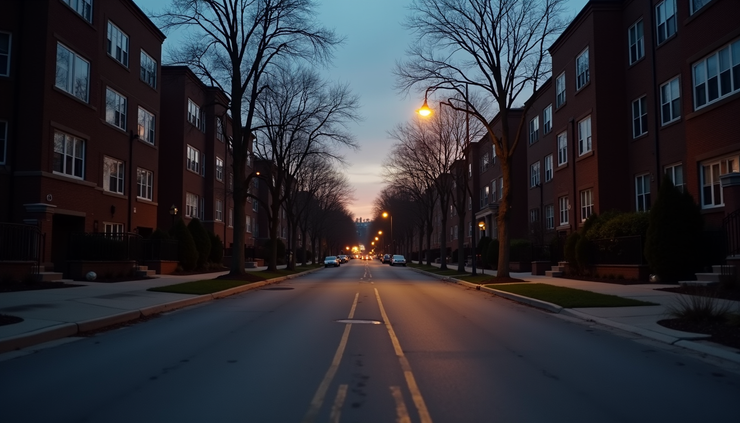
Two Realities Coexist in Chicago
Chicago lives in two overlapping realities:
Growth and hope: More mentors stepping up, more young people choosing different paths, more community members working to heal wounds.
Heartbreak and trauma: Senseless violence continues, trauma passes from one generation to the next, and too many families learn how to survive losses they never deserved.
This dual existence means that while progress is real, it is fragile. It cannot be taken as a sign that the pain has disappeared or that the work is done.
What the Numbers Don’t Show
Statistics cannot reveal the ripple effects of violence on families and neighborhoods. For example:
A teenager who loses a sibling to gun violence may struggle with trauma, affecting school performance and mental health.
Parents who have lost children often face lifelong grief, isolation, and financial hardship.
Communities may experience economic decline as businesses close or avoid areas perceived as unsafe.
These consequences are harder to measure but just as important. They shape the daily lives of thousands of Chicagoans.
Stories of Healing and Resilience
Amid the pain, there are stories of strength and healing. Programs that connect youth with mentors have helped many choose different paths. Community groups organize peace walks, provide counseling, and create safe spaces for young people to express themselves.
One example is a local mentorship program where adults meet weekly with teens to build trust and offer guidance. These relationships can prevent young people from feeling forced to “become hard” to survive. They show that healing requires more than just fewer violent acts—it needs more love, more accountability, and more resources.

Reality
Moving Toward Real Safety
True safety in Chicago means more than just improved statistics. It means:
More healing: Access to mental health services and trauma support for victims and families.
More resources: Investment in education, job training, and community centers.
More accountability: Fair and effective policing that builds trust rather than fear.
More adults showing up: Mentors, teachers, neighbors who care before a child feels forced to harden themselves.
The goal is not for Chicago to look safer on paper but to feel safer in everyday life. That requires a commitment to understanding the human stories behind the numbers and addressing the root causes of violence.


Comments